Dec 28, 2011
Mondo we Langa and Ed Poindexter
Ed Poindexter and Mondo we Langa, the leaders of the Omaha chapter of the Black Panther Party in the early 1970s, were framed for the murder of Omaha Police Officer Larry Minard as part of J. Edgar Hoover’s clandestine, illegal...
May 14, 2010
Updated Sept. 19, 2011 and Feb.14, 2013
Pope Benedict XVI
As the scandal over pedophile priests rocks Roman Catholic dioceses around the globe, a lawsuit filed April 10, 2010 in U.S. District Court in Milwaukee names Pope Benedict XVI as a defendant. And with good...
Dec 14, 2009
Dec 14, 2009
Bryan de la Beckwith
It would take 31-years to bring white supremacist Bryan de la Beckwith to justice for the assassination of Medgar Evers.
by Randy Radic
His name was Byron de la Beckwith, but his friends called him “Delay.” A descendant of...
Oct 9, 2009
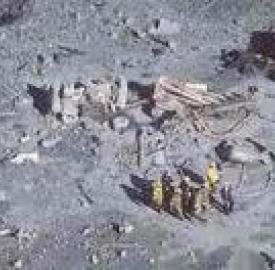
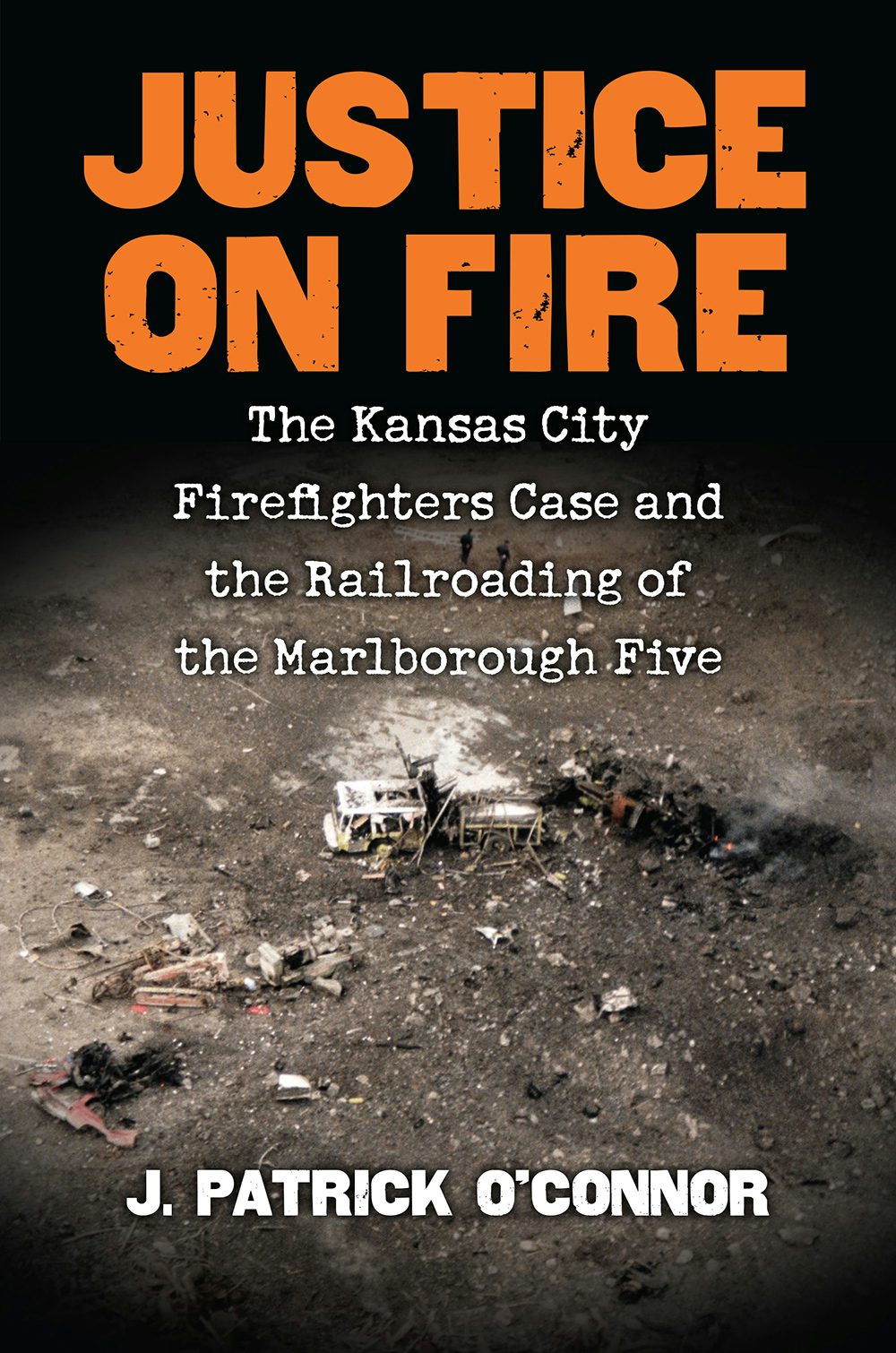
South Kansas City Blast Site Five innocent people were convicted in February 1997 in the deaths of six Kansas City firefighters in 1988. These two stories run a total length of 20,000 words, and won the Missouri Bar Association's annual "Excellence in Legal...
Jun 26, 2015
Carnival racketeering is endemic throughout the United State and has been for years. Carnivals have close ties to not only organized crime but to local law enforcement. Carnival midways are the only venues in the United States where local police departments allow carnival lots...
Apr 27, 2015
Four years after her daughter’s death, A Georgia woman is distraught with more questions than answers because she still doesn’t know the circumstances which led to her daughter’s death, and she blames law enforcement throughout Georgia for conducting a shoddy investigation which...
Oct 30, 2014
The FBI’s raid on the Waco, Texas compound of Branch Davidian leader David Koresh on April 19, 1993 ended in total disaster with all 76 cult members dying in an inferno. by Robert Walsh “Behold, the Lord will come with fire and the chariots will be with flaming...
Jul 17, 2013
Updated August 3, 2013Edward SnowdenEdward Snowden’s status as hero or traitor is of far less import than the awareness his whistle blowing has brought to just how pervasive and extensive the U.S. government’s spying on its own citizens and allies has become.by Avi McClelland-...
Jul 8, 2013
Henry Kissinger wormed his way into Richard Nixon’s 1968 presidential campaign by volunteering to act as the Republican’s mole at the Paris peace negotiations to end the Vietnam War. Kissinger’s betrayal of President Johnson’s trust helped secure the election for Nixon and...
Mar 11, 2013
Cardinal Donald Wuerl (Photo: World Tribune)
Cardinal Donald Wuerl, the archbishop of the Washington, D.C. Diocese, has an undeserved reputation as a “zero-tolerance” prelate when it comes to dealing with pedophile priests.
By Michael Volpe
As cardinals from around the...