In the summer of 1871,two grubby prospectors conned a Who's Who of San Francisco's financial elite as well of Charles Tiffany of New York to invest $10 million in diamond fields that did not exist.
by Chuck Lyons
The framed stock certificate on the wall in banker William C. Ralston’s office told the story, a story he didn’t want to forget. It reminded him to be careful, to move slowly, and to be prudent.
He had learned those lessons the hard way.
In the summer of 1871, two rough prospectors, their clothes and faces dusty and showing signs of rugged living appeared at the Bank of California in San Francisco with a canvas sack they wanted to lock up in the bank’s vault. They identified themselves as cousins, said they were prospectors, and were just in from a prospecting trip in what they called “Indian country.” They identified themselves as Philip Arnold and John Slack.
They refused say what was in their canvas sack; they just wanted to lock it up so they knew it was safe.
The more they refused to open it, of course, the more curious bank officials became. Finally bank president Ralston was called and only after he and other bank officials had pleaded with Arnold and Slack did the two men agree to open the sack in front of a group of San Francisco’s leading citizens. But they made the bank officials swear to keep the contents secret.
They finally opened the bag and poured out a number of diamonds with a few rubies, and possibly sapphires and emeralds, mixed in.
Arnold, who acted as spokesman for the pair, said the uncut gems were part of a hoard that they had come across. They were laying on top of the ground, Arnold said, and buried just below the surface.
Then he refused to say anymore.

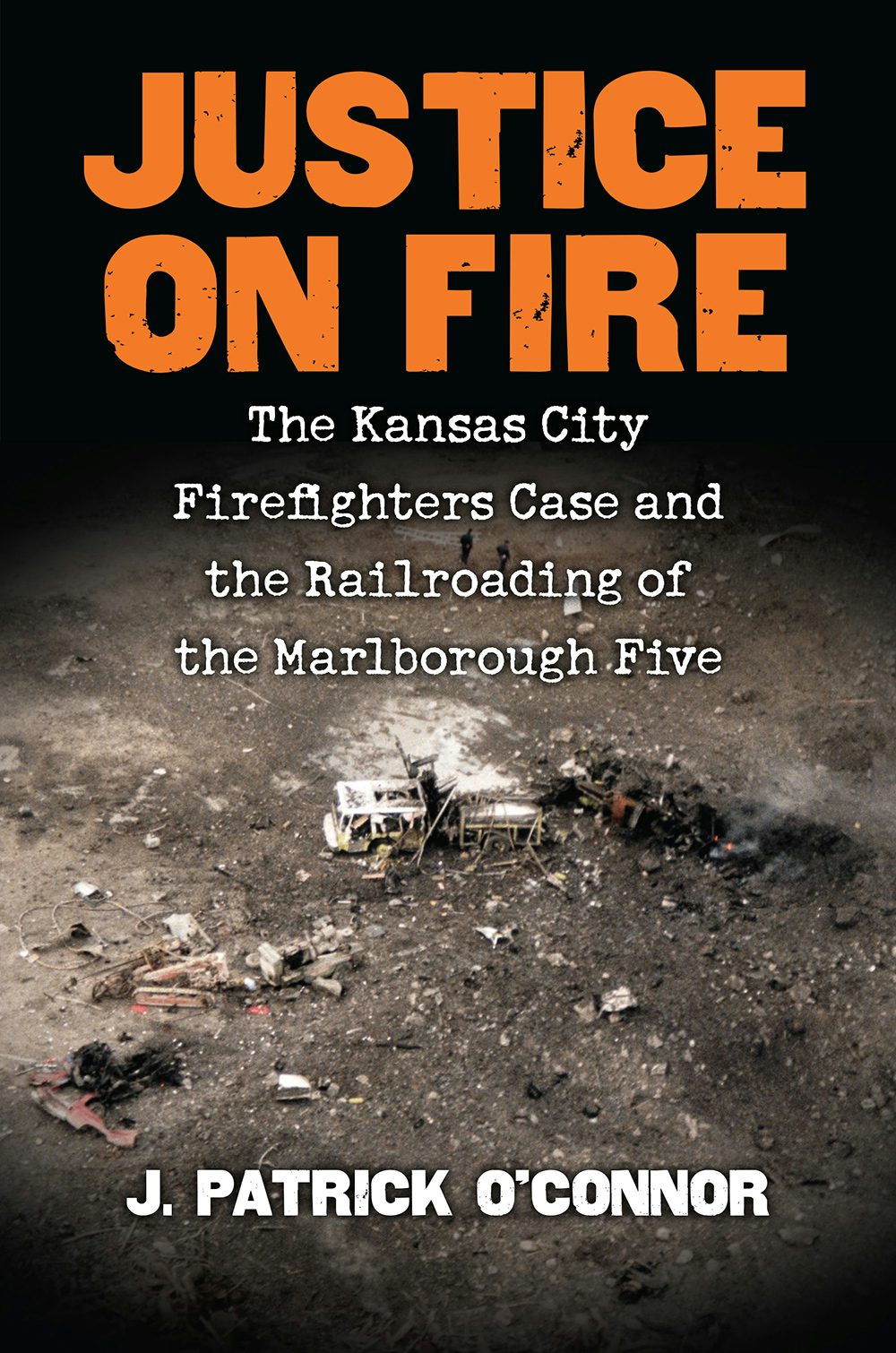
On the night of November 29, 1988, near the impoverished Marlborough neighborhood in south Kansas City, an explosion at a construction site killed six of the city’s firefighters. It was a clear case of arson, and five people from Marlborough were duly convicted of the crime. But for veteran crime writer and crusading editor J. Patrick O’Connor, the facts—or a lack of them—didn’t add up. Justice on Fire is OConnor’s detailed account of the terrible explosion that led to the firefighters’ deaths and the terrible injustice that followed. Also available from Amazon