The St. Valentine’s Day Massacre in 1929 would usher in the use of forensic ballistics to solve gun crimes.
Most of us have sat mesmerized in front of a TV watching how highly motivated detectives solve a perplexing crime. The popular non-fictional series “Forensic Files” has as its mantra “no witness, no leads, no problem” which alludes to how crime scene evidence will ultimately lead to the identification of the unknown perpetrator.
Forensics, simply put, is the application of science to the law. Since the 1960s, the U.S. criminal justice system has heavily emphasized its use. A key discipline used in solving violent crimes involving firearms is forensic ballistics. Few know that the small Michigan city of St. Joseph provided critical ballistics evidence that solved one of the worst crimes of the 20th century, the St. Valentine’s Day Massacre. This dark event also firmly established the field of forensic ballistics as an integral component of the legal system that is still commonly used today.
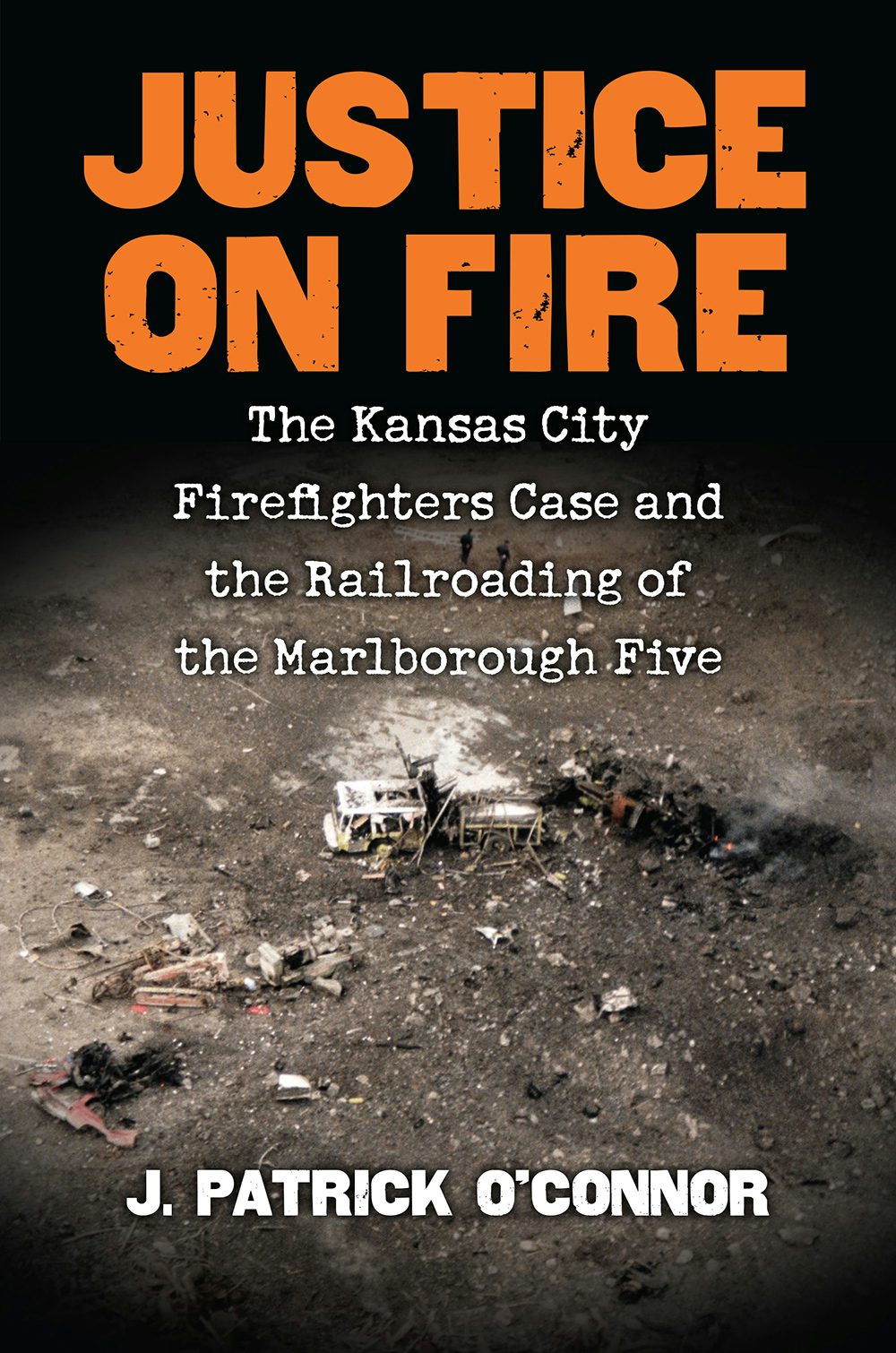
On the night of November 29, 1988, near the impoverished Marlborough neighborhood in south Kansas City, an explosion at a construction site killed six of the city’s firefighters. It was a clear case of arson, and five people from Marlborough were duly convicted of the crime. But for veteran crime writer and crusading editor J. Patrick O’Connor, the facts—or a lack of them—didn’t add up. Justice on Fire is OConnor’s detailed account of the terrible explosion that led to the firefighters’ deaths and the terrible injustice that followed. Also available from Amazon