On this date in crime history - April 2, 1992, mob boss John Gotti, nicknamed “The Teflon Don,” was found guilty of 13 counts of murder and racketeering charges. In the wake of the conviction, the assistant director of the FBI’s New York office, James Fox, was quoted as saying, “The don is covered in Velcro, and every charge stuck.” On June 23rd of that year, Gotti was sentenced to life in prison, dealing a significant blow to organized crime.


On this date in crime history – April 1, 1984, R & B singer Marvin Gaye was shot and killed by his father. At the peak of his career, Gaye was known as the Prince of Motown and was the voice behind hits such as "How Sweet It Is (To Be Loved By You)" and "Mercy Mercy Me (The Ecology)." Like other recording artists such as Stevie Wonder, Gaye both epitomized and outgrew the crowd-pleasing sound that made Motown famous. Over the course of his roughly 25-year recording career, he moved successfully from upbeat pop to soul, combining elements of Smokey Robinson, Bob Dylan and Barry White into one complicated and sometimes contradictory package.


On this date in in crime history – March 31, 1995, Mexican-American pop star Selena was shot and killed by her former fan club president. She was born Selena Quintanilla-Perez in Lake Jackson, Texas on April 16. 1971. Selena grew up in Corpus Christi, Texas, where she began her musical career. Her father, Abraham Quintanilla Jr., was a singer with the original Los Dinos from 1957-1972, and nurtured the burgeoning musical talent of his children.


On this date in crime history - March 29, 1971, Lt. William L. Calley is found guilty of premeditated murder by a U.S. Army court-martial at Fort Benning, Georgia. Calley, a platoon leader, had led his men in a massacre of 200 Vietnamese civilians at My Lai, including women and children on March 16, 1968. My Lai 4, was a cluster of hamlets in Quang Ngai Province of Vietnam.


On this date in crime history - March 28, 1814, the funeral of Joseph-Ignance Guillotin, the namesake but not the inventor of the infamous execution device, takes place outside of Paris, France. Guillotin, a member of the General Assembly had what he felt were the purest motives for proposing the use of the device. The machine was intended to show the intellectual and social progress of the French Revolution; by killing aristocrats and journeymen the same way, equality in death was ensured.
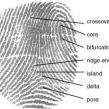

On March 27, 1905, neighbors discover the badly bludgeoned bodies of Thomas and Ann Farrow in their South London shop. Thomas was already dead, but Ann was still breathing, but died four days later without regaining consciousness. The brutal crime was solved using the newly developed fingerprinting technique. Only three years earlier, the first English court had admitted fingerprint evidence in a petty theft case. The Farrow case was the first time that the cutting-edge technology was used in a high-profile murder case in Britain.


by Michael Thomas Barry
On March 26, 1997, police enter a mansion in Rancho Santa Fe, an exclusive suburb of San Diego, California, and discover 39 victims of a mass suicide. The deceased were all found lying peaceably in matching dark clothes and Nike sneakers and had no noticeable signs of trauma. It was later revealed that the men and women were members of the "Heaven's Gate" religious cult, whose leaders preached that suicide would allow them to leave their bodies and enter an alien spacecraft hidden behind the Hale-Bopp comet.
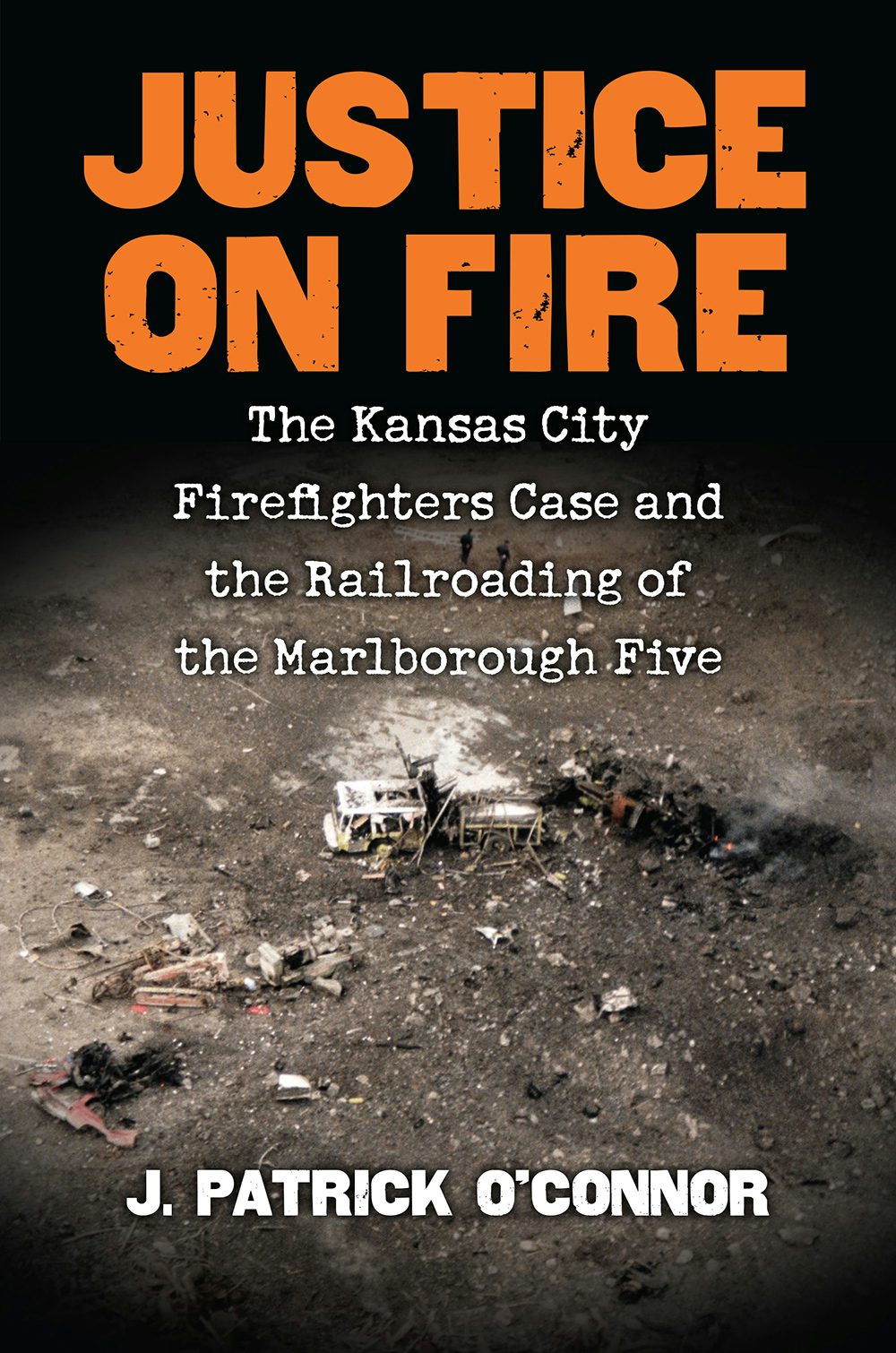
On the night of November 29, 1988, near the impoverished Marlborough neighborhood in south Kansas City, an explosion at a construction site killed six of the city’s firefighters. It was a clear case of arson, and five people from Marlborough were duly convicted of the crime. But for veteran crime writer and crusading editor J. Patrick O’Connor, the facts—or a lack of them—didn’t add up. Justice on Fire is OConnor’s detailed account of the terrible explosion that led to the firefighters’ deaths and the terrible injustice that followed. Also available from Amazon