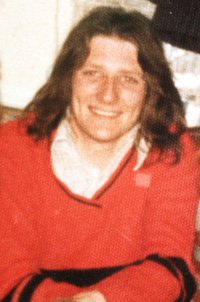
Bobby Sands
On May 5, 1981, Irish Republican Army militant Bobby Sands dies after refusing food for 66 days in protest of his treatment as a criminal rather than a political prisoner by British authorities. His death immediately touched off widespread rioting in Belfast, as young Irish-Catholic militants clashed with police and British Army patrols and started fires.

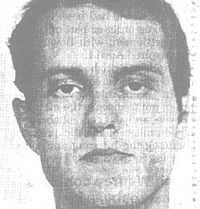
Jesse Tafero
On May 4, 1990, Jesse Tafero is executed in Florida after his electric chair malfunctions three times, causing flames to leap from his head. Tafero's death sparked a new debate on humane methods of execution.
May 3, 2013 Reuters
WASHINGTON - The number of names on a highly classified U.S. central database used to track suspected terrorists has jumped to 875,000 from 540,000 only five years ago, a U.S. official familiar with the matter said.
Among those was suspected Boston Marathon bomber Tamerlan Tsarnaev, whose name was added in 2011. The increase in names is due in part to security agencies using the system more in the wake of the failed 2009 attack on a plane by "underpants bomber" Umar Farouk Abdulmutallab in Detroit.
Intelligence and law enforcement officials acknowledged in Congress that they had missed clues to that attack despite Abdulmutallab's name appearing in the main database, known as TIDE.
Maintained by the National Counterterrorism Center, the highly classified database is not a "watchlist" but instead is a repository of information on people whom U.S. authorities see as known, suspected or potential terrorists from around the world.
The "Terrorist Identities Datamart Environment" is a master database which agencies use to build other catalogs of possible terrorists, like the "no-fly" list which prevents people who feature on it from boarding airplanes.
The official familiar with the latest statistics said that even though the number of TIDE entries has grown substantially, this does not mean that the data is less manageable as intelligence agencies have gotten better at figuring how to extract information from the oceans of data.

Reso kidnapping and murder
On May 3, 1992, Exxon executive Sidney Reso dies in a storage vault in New Jersey. Four days earlier, he was abducted from the driveway of his Morris Township, New Jersey, home.
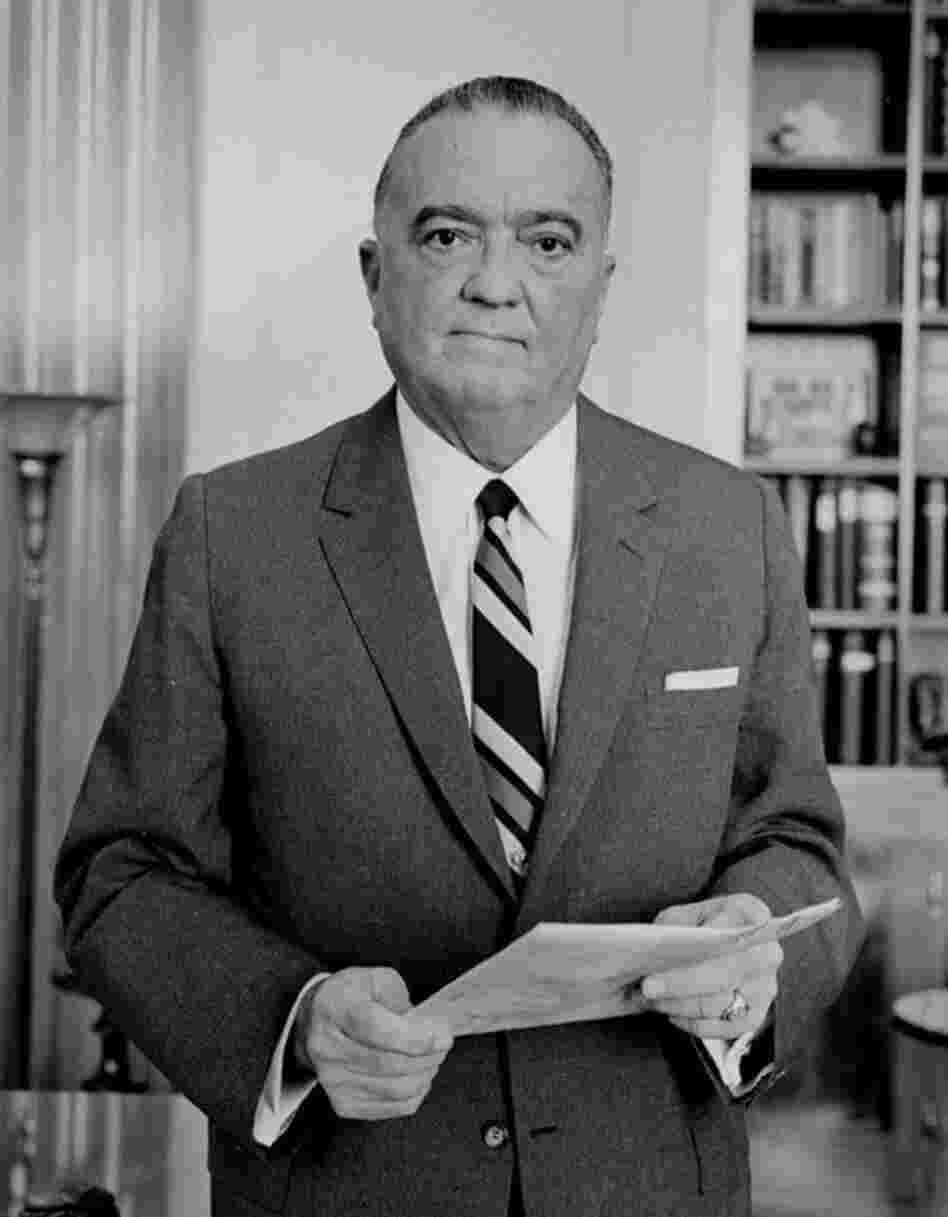
J. Edgar Hoover
On May 2, 1972, J. Edgar Hoover died. After nearly five decades as director of the Federal Bureau of Investigation (FBI), Hoover left the powerful government agency without an administrator.

Jayson Williams
On May 1, 2002, former NBA All-Star Jayson Williams was indicted on a series of charges, including aggravated manslaughter, in connection with the shooting death of limousine driver Costas Christofi.
April 30, 2013 CNN
George Zimmerman, set to stand trial in the 2012 shooting death of teenager Trayvon Martin, on Tuesday waived his right to a "stand your ground" pretrial immunity hearing. Zimmerman's attorneys have decided they will try this as a self-defense case.
Motions over evidence continued Tuesday in the Seminole County, Florida, court. The trial is set to begin on June 10 with jury selection.
Florida's deadly force law, also called "stand your ground," was passed in 2005. It allows people to meet "force with force" if they believe they or someone else is in danger of being seriously harmed by an assailant. Under the law, a person can use deadly force anywhere as long as he is not engaged in an unlawful activity; is being attacked in a place he has a right to be; and reasonably believes that his life and safety are in danger as a result of an overt act or perceived threat committed by someone else.
In a pretrial immunity hearing, a judge would have ruled whether Zimmerman's actions were protected under the "stand your ground" law; a ruling in favor of the defendant would have meant that no criminal or civil trial could proceed.
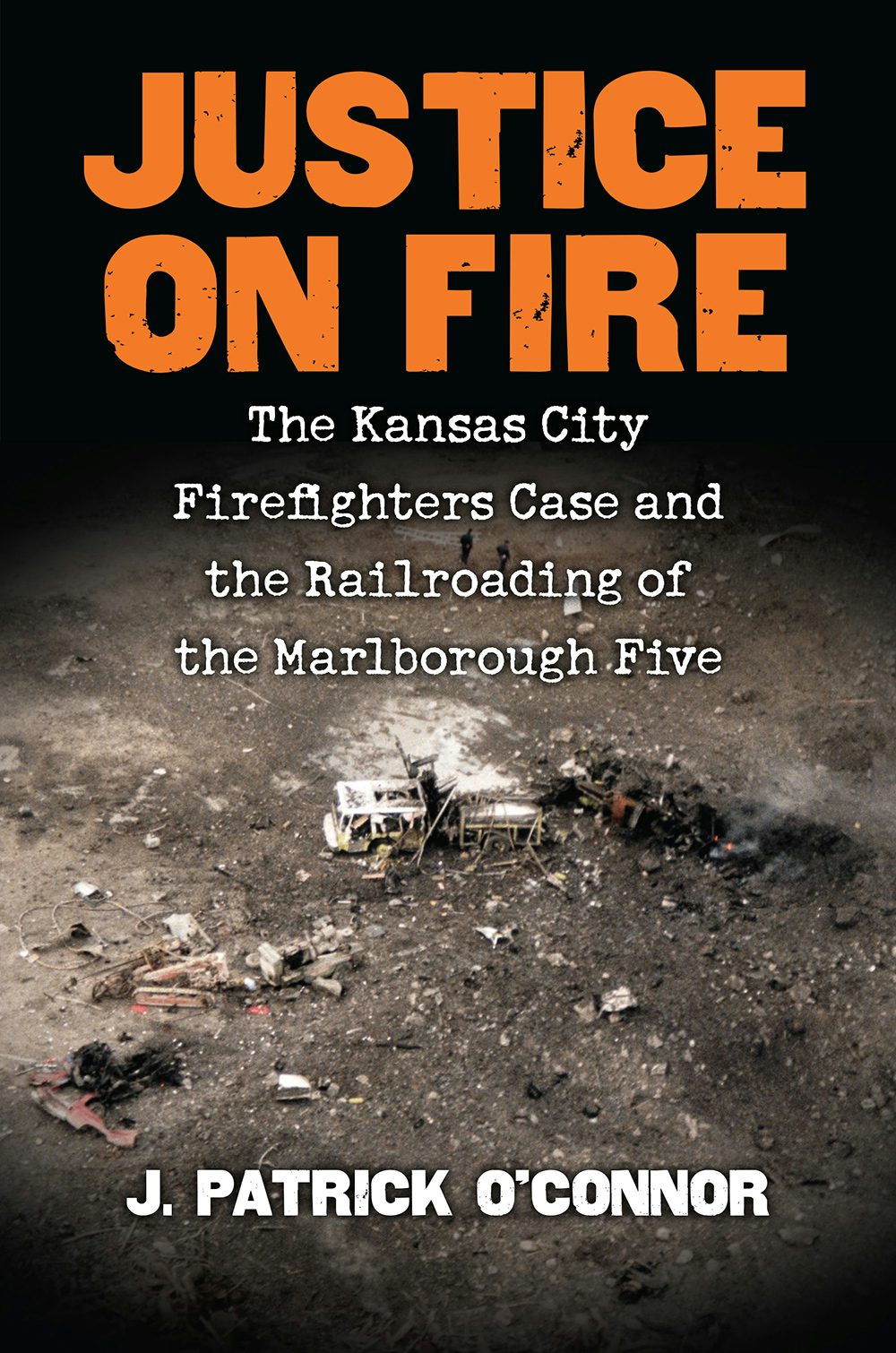
On the night of November 29, 1988, near the impoverished Marlborough neighborhood in south Kansas City, an explosion at a construction site killed six of the city’s firefighters. It was a clear case of arson, and five people from Marlborough were duly convicted of the crime. But for veteran crime writer and crusading editor J. Patrick O’Connor, the facts—or a lack of them—didn’t add up. Justice on Fire is OConnor’s detailed account of the terrible explosion that led to the firefighters’ deaths and the terrible injustice that followed. Also available from Amazon