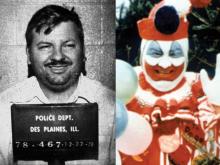
Andrea Yates
On March 7, 2002, the defense rests in the trial of Andrea Yates, a 37-year-old Texas woman who confessed to killing her five young children by drowning them in a bathtub. Less than a week later, on March 13, Yates was convicted and sentenced to life in prison; however, her conviction was later reversed.
A man who was driving across country in 2005 and found himself thrown in a New Mexico jail for DWI and then spend nearly two years in solitary confinement, has won $15.5 million in one of the largest prisoner civil rights awards in U.S. history.
Stephen Slevin, 59, was depressed in 2005 when he decided to drive across the country, with no particular goal or destination in mind, his lawyer Matt Coyte told ABCNews.com. After being pulled over in Dona Ana County, N.M., on Aug. 24 2005, Slevin was arrested on aggravated DWI charges, and for driving a vehicle that he did not own. He was brought into the Dona Ana County Detention Center.
From there, his long nightmare began.
"To find out what happened was difficult," Coyte said. "His mental health was so compromised from his time in jail, he had very little memory of his stay there."
By piecing together documents and records available from the lockup, Coyte said he discovered that after his arrest, Slevin was soon placed in padded cell in the jail's floor, naked with only a suicide smock on, as what Coyte believes was a form of detoxification.
The cell was like a "horrific version of a drunk tank," Coyte said.
Slevin then went into medical observation for a few weeks. He was placed in an observation cell with its own shower, toilet and a window so he could be observed. From there they transferred him to solitary confinement, where he would spend the next 22 months.
 March 7, 2013 ABC News
The FBI is "monitoring" the investigation into the death of an openly gay mayoral candidate in Mississippi, opening the door to a possible prosecution as a federal hate crime.
The FBI said in a statement that it "initiated contact" with Mississippi police on March 1 "to offer assistance."
"The FBI will continue its ongoing dialogue and sharing of information with the local and state agencies, and will continue to monitor this investigation for any indication that a potential violation of federal law exists," FBI spokeswoman Deborah Madden said in a statement.
Marco McMillian, 34, was found dead on Feb. 27. He was the Democratic candidate for mayor in the delta town of Clarksdale, Miss., and was considered one of the first viable openly gay candidates to run for office in the state. According to his family he was beaten, dragged from his car and burned after his death.
Lawrence Reed, 22, is the sole suspect and has been charged with murder.
State and local authorities are investigating the murder. Mississippi has a hate crime law that applies to victims of race-based crimes, but does not apply to sexual orientation.
Both McMillian and Reed are black.
 March 6, 2013 Fox News
CHILLICOTHE, Mo. – A hero's welcome greeted Mark Woodworth when he walked out of prison after a judge said he could return home while awaiting a third murder trial in his Missouri neighbor's 1990 death.
Woodworth appreciates the flowers and balloons, but says he wants more: The chance to finally clear his name in a case that has long divided the northern Missouri town of Chillicothe.
Woodworth was 16 when Cathy Robertson was shot and killed in her sleep. Her husband Lyndel Robertson was shot several times but survived.
Woodworth was first convicted in 1995, briefly released on appeal but then convicted by a second jury in 1999 and sentenced to life in prison.
The Missouri Supreme Court overturned his conviction in January over evidence it said his lawyers never received.

Julius and Ethel Rosenberg
On March 6, 1951, the trial of Ethel and Julius Rosenberg begins in New York. Judge Irving R. Kaufman presides over the espionage prosecution of the couple accused of selling nuclear secrets to the Russians (treason could not be charged because the U.S. was not at war with the Soviet Union).
 March 5, 2013 ABC News
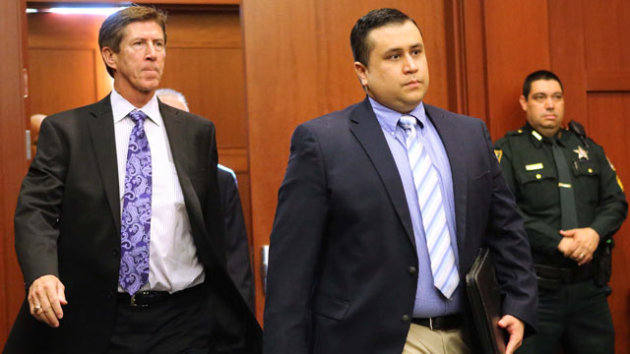
George Zimmerman's attorneys stunned court observers Tuesday when they waived their client's right to a "Stand Your Ground" hearing slated for April that might have led to a dismissal of the charges in the shooting death of unarmed teenager Trayvon Martin a year ago.
However, the defense lawyers didn't say whether they would waive the immunity hearing outright. They left open the possibility for that hearing to be rolled into Zimmerman's second degree murder trial. Zimmerman, a former neighborhood watch captain in his Florida subdivision, shot and killed the teen, who was visiting a house in the area.
The move allows the defense more time to prepare for the trial this summer, but also raises the stakes.
Florida's controversial "Stand Your Ground" law entitles a person to use deadly force if he believes his life is threatened, and absolves them of an obligation to retreat from a confrontation, even if retreat is possible.
In recent weeks, the Zimmerman defense has suffered several legal setbacks. Judge Debra Nelson has ruled in favor of the state that Zimmerman's bail conditions should not be loosened, and that Trayvon Martin family attorney Benjamin Crump was not required to sit for a deposition about his interactions with the state's most important witness, a young woman who was the last known person to speak with Trayvon Martin before his death on February 26 2012.
 March 5, 2013 policymic.com
We have a strange history of idolizing criminal masterminds. Even thieves who don’t necessarily share their robbed riches with the poor still seem to retain the adoration of fans who live vicariously through their daring escapades.
As technology and security evolve, so does the criminal guile that seeks to fleece hidden treasures — it's the darker half of innovation, creating a balanced Ying-Yang of wealth. American industries flourished with the advent of train transportation, until they had to contend with the ferocious Jesse James gang. Large banks responsible for the 1920s Depression fell victim to John Dillinger's string of robberies and drew little sympathy from people who held them accountable for the economic collapse. It’s unlikely we’ll see someone give Goldman Sachs their just desserts, but just this February a crew in Brussels proved massive diamond heists are still very much in fashion.
History has taught us that no matter how big the trap, there’s always a sneaky mouse willing to steal the cheese. Here are some of history's greatest heists.
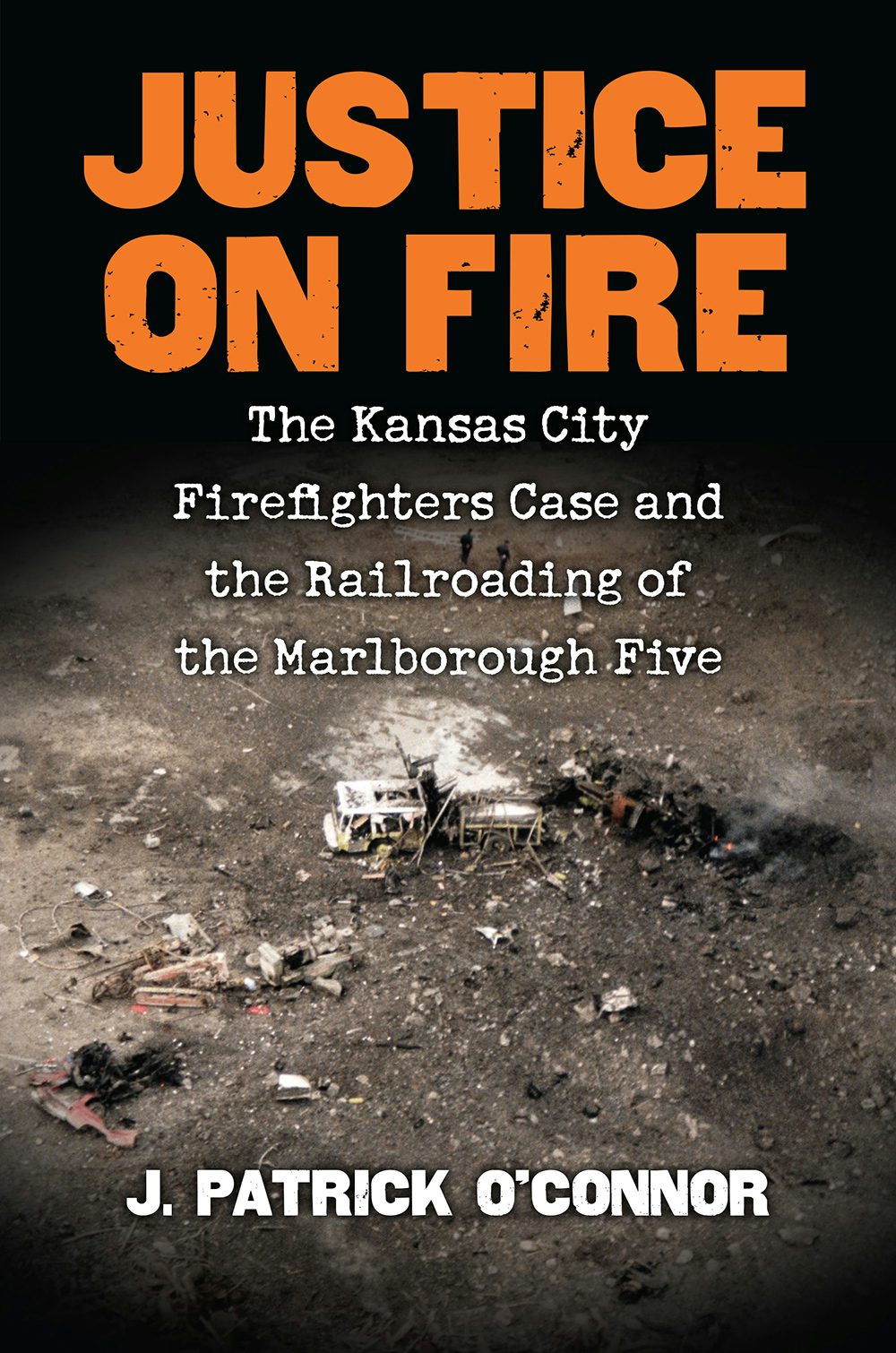
On the night of November 29, 1988, near the impoverished Marlborough neighborhood in south Kansas City, an explosion at a construction site killed six of the city’s firefighters. It was a clear case of arson, and five people from Marlborough were duly convicted of the crime. But for veteran crime writer and crusading editor J. Patrick O’Connor, the facts—or a lack of them—didn’t add up. Justice on Fire is OConnor’s detailed account of the terrible explosion that led to the firefighters’ deaths and the terrible injustice that followed. Also available from Amazon