In 1997, the world had yet to learn of the Smiley Face Killers when Patrick McNeill went mysteriously missing from uptown Manhattan in the dead of winter and his body was found months later in the East River beside a Brooklyn pier.
In 1997, the world had yet to learn of the Smiley Face Killers when Patrick McNeill went mysteriously missing from uptown Manhattan in the dead of winter and his body was found months later in the East River beside a Brooklyn pier.
In 1997, the world had yet to learn of the Smiley Face Killers when Patrick McNeill went mysteriously missing from uptown Manhattan in the dead of winter and his body was found months later in the East River beside a Brooklyn pier.
In 1997, the world had yet to learn of the Smiley Face Killers when Patrick McNeill went mysteriously missing from uptown Manhattan in the dead of winter and his body was found months later in the East River beside a Brooklyn pier.
In 1997, the world had yet to learn of the Smiley Face Killers when Patrick McNeill went mysteriously missing from uptown Manhattan in the dead of winter and his body was found months later in the East River beside a Brooklyn pier.
In 1997, the world had yet to learn of the Smiley Face Killers when Patrick McNeill went mysteriously missing from uptown Manhattan in the dead of winter and his body was found months later in the East River beside a Brooklyn pier.
In 1997, the world had yet to learn of the Smiley Face Killers when Patrick McNeill went mysteriously missing from uptown Manhattan in the dead of winter and his body was found months later in the East River beside a Brooklyn pier.

In small villages throughout England, the killing of people alleged to be witches was not uncommon. In 1945, the murder of Charles Watson is considered to be the last of this phenomenon.
by Chuck Lyons
The murder of Charles Walton is considered the last witch killing in the United Kingdom. The 74-year-old farm laborer was found dead on Valentine’s Day 1945, his neck cut open and the prongs of a pitchfork jammed through his throat, pinning him to the ground. A rude cross had been carved into his chest. Walton, who had resided in the village of Lower Quinton in Warwickshire, England all his life and was apparently well-known in the area, had nonetheless sometimes been considered odd. To some, he was just the simple farm laborer he appeared to be, but other local residents believed he had been “stained” by a childhood encounter with a mysterious black dog—and some considered him a warlock.
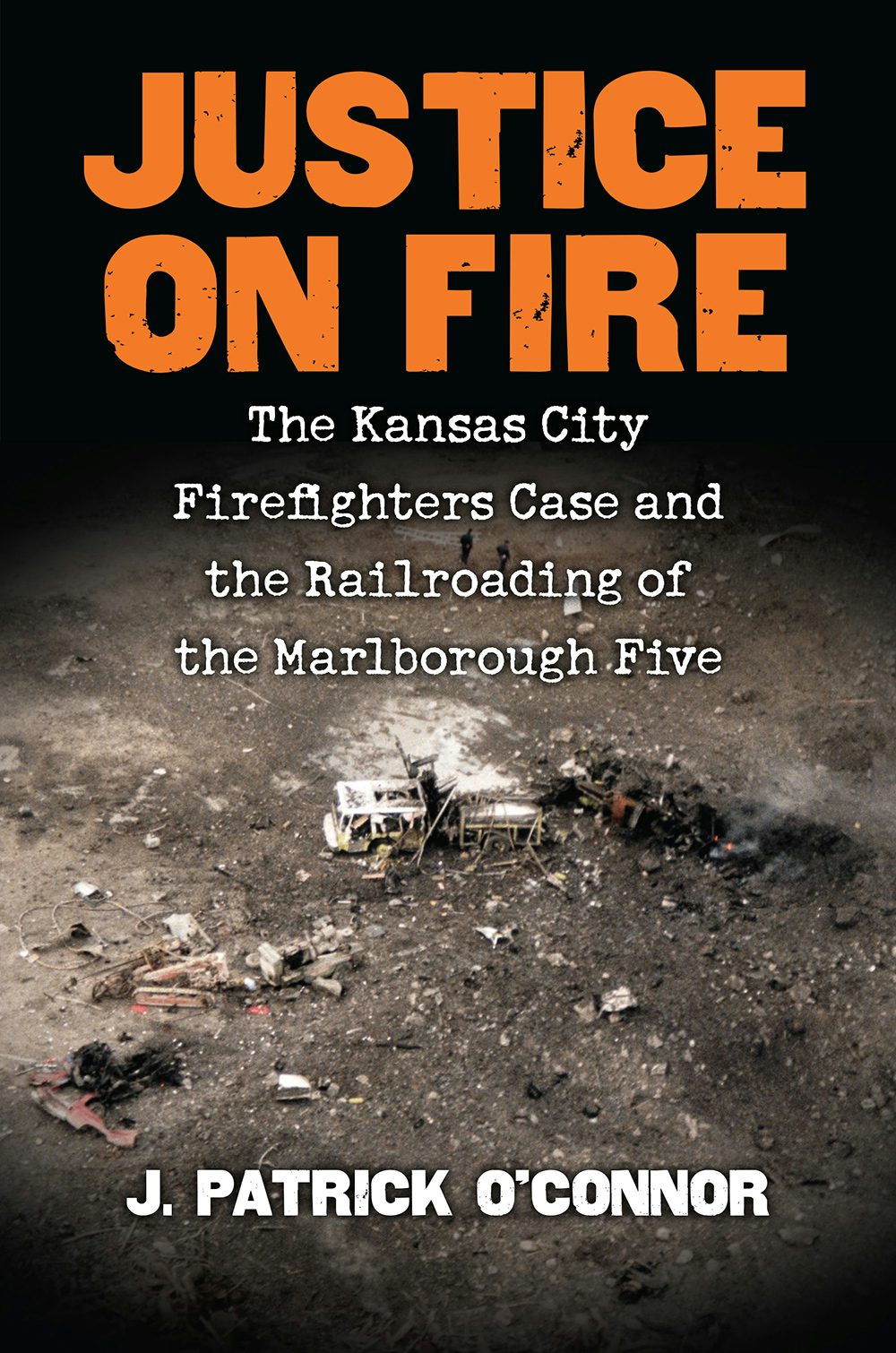
On the night of November 29, 1988, near the impoverished Marlborough neighborhood in south Kansas City, an explosion at a construction site killed six of the city’s firefighters. It was a clear case of arson, and five people from Marlborough were duly convicted of the crime. But for veteran crime writer and crusading editor J. Patrick O’Connor, the facts—or a lack of them—didn’t add up. Justice on Fire is OConnor’s detailed account of the terrible explosion that led to the firefighters’ deaths and the terrible injustice that followed. Also available from Amazon