Prosecutors in Arizona will begin arguing today that 32-year-old Jodi Arias should die for the especially brutal murder of her one-time boyfriend, Travis Alexander, who was found dead in his shower over four years ago.
Investigators say Arias stabbed Alexander 27 times, slit his throat and shot him in the head at his Mesa, Ariz., home in June of 2008. Arias, who has been locked up since her arrest, has pleaded not guilty to first-degree murder.
"I didn't hurt Travis. I would never hurt Travis," Arias said in a jailhouse interview after she was arrested in July 2008. "I would be shaking in my boots right now if I had to answer to God for such a heinous crime."
Arias and Alexander met at a work conference six years ago. Arias says they fell in love, traveled the country together, and to strengthen her ties to the devout Mormon, she even converted to his religion. But Alexander's friends say after dating a few months he tried to break it off.
(CNN) -- Forty years after they were convicted by a jury of firebombing a grocery store in Wilmington, North Carolina, civil rights activists who became known as the "Wilmington 10" were pardoned Monday by the state's outgoing governor.
"These convictions were tainted by naked racism and represent an ugly stain on North Carolina's criminal justice system that cannot be allowed to stand any longer," said Gov. Beverly Purdue. "Justice demands that this stain finally be removed."
In 1972, nine black men and one white woman were convicted in the store firebombing in the coastal city despite their claims of innocence and their supporters' vehement argument that the defendants were victims of racially biased prosecutors.
Their sentences were reduced in 1978 by the state's governor then, Jim Hunt, and two years later their convictions were overturned in federal court for reasons of misconduct by the prosecutors.
But until Monday there were no pardons, and the sting of the guilty verdicts still followed the six surviving members of the group that was known nationwide as the Wilmington 10.

Peter Sutcliffe aka The Yorkshire Ripper
The Yorkshire Ripper is finally caught by British police on January 2, 1981, ending one of the largest manhunts in British history. For five years, investigators had pursued every lead in an effort to stop the serial killer who terrorized Northern England, but the end came out of pure luck.
A man gunned down Thursday on Chicago's West Side marked what police say is the city's 500th homicide of the year. It's a dubious distinction that hasn't occurred since 2008, when the city ended the year with 512 murders.
Mayor Rahm Emanuel called the total "an unfortunate and tragic milestone, which not only marks a needless loss of life but serves as a reminder of the damage that illegal guns and conflicts between gangs cause in our neighborhoods."
"The brave officers of the Chicago Police Department work tirelessly to continually reduce crime, but this is not just a law enforcement issue," Emanuel said in a statement.
_poster.jpg/220px-Looking_for_Mr._Goodbar_(1977_film)_poster.jpg)
Looking for Mr. Goodbar movie poster
On the evening of January 1, 1973, Roseann Quinn, a 27-year-old New Yorker, visits Tweed's Bar on the Upper West Side and is picked up by her soon-to-be killer. The incident inspires the cautionary novel and subsequent movie Looking For Mr. Goodbar.
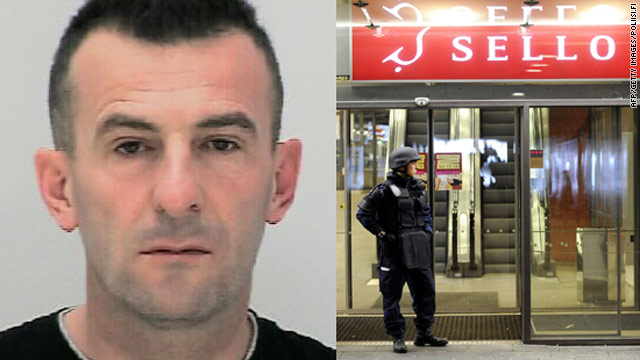
Ibrahim Shkupolli & entrance to Sello mall
The Sello mall shooting occurred on the morning of December 31, 2009 in Espoo, Finland. The shooting was believed to have been started after Ibrahim Shkupolli, the gunman, found that his ex-girlfriend had a lover at the grocery store where she worked. Shkupolli first killed her in her apartment before heading to the mall. The shooting began when the gunman entered the Prisma supermarket and began firing with a handgun.

Alison Day 1st murder victim of Railway Rapist
On December 29, 1982, the "Railway Rapist" attacks and abducts Alison Day from a London train. Her strangled body was recovered two weeks later. Although the perpetrator had attacked and raped many women since 1982, this was his first murder. The Railway Rapist had a distinctive method of operation: He used a knife, bound the victim's hands with string, and usually operated close to the railroad tracks.
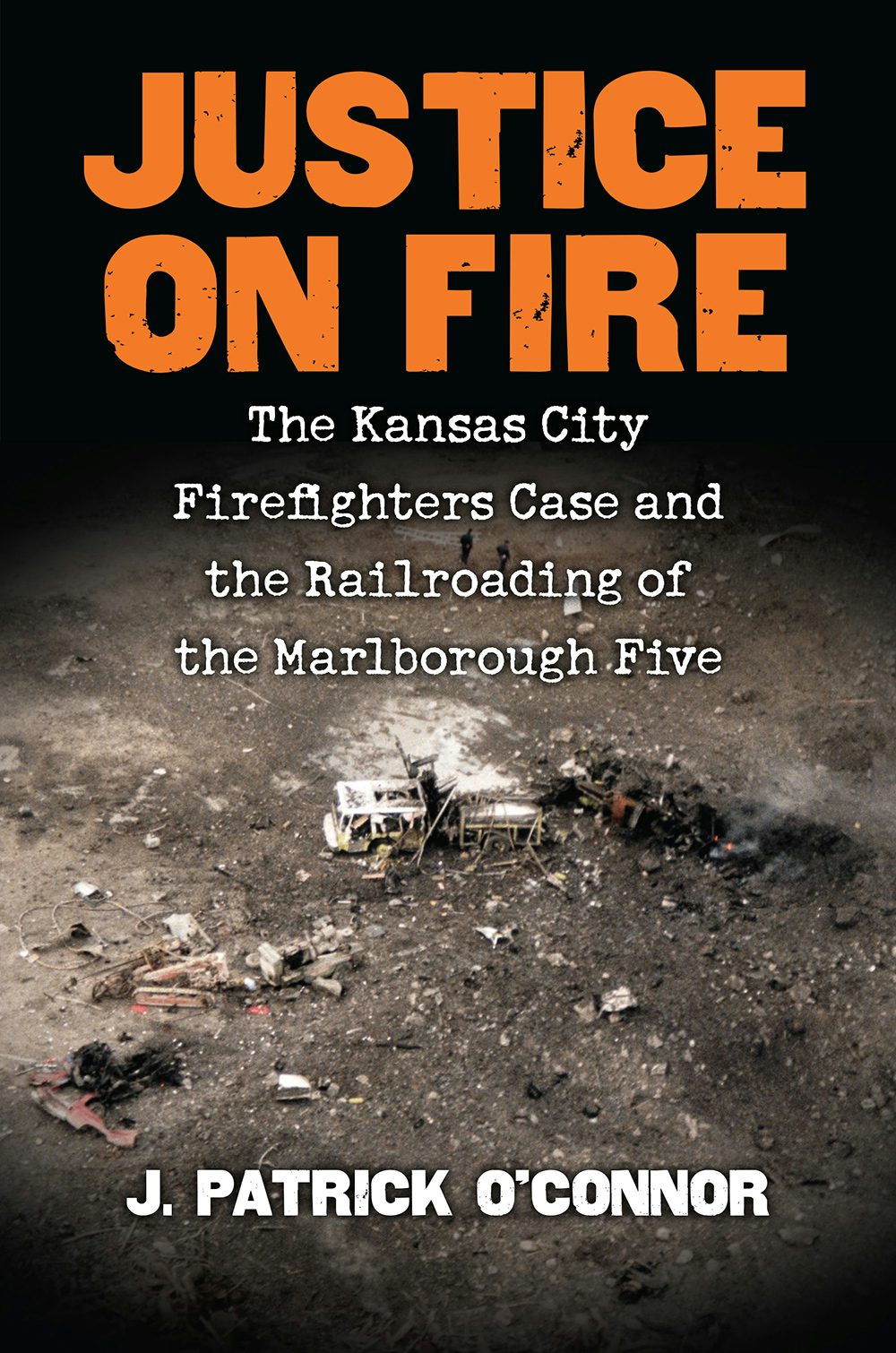
On the night of November 29, 1988, near the impoverished Marlborough neighborhood in south Kansas City, an explosion at a construction site killed six of the city’s firefighters. It was a clear case of arson, and five people from Marlborough were duly convicted of the crime. But for veteran crime writer and crusading editor J. Patrick O’Connor, the facts—or a lack of them—didn’t add up. Justice on Fire is OConnor’s detailed account of the terrible explosion that led to the firefighters’ deaths and the terrible injustice that followed. Also available from Amazon